NV15VFR-HW / NV05VFR-HW
Variable frame rate SPAD camera
- 480 x 320 or 256 x 192 SPAD pixels
- Event-based readout
- Adjustable event threshold
- 20ns global shutter
- On-chip pixel binning
- USB 3.0
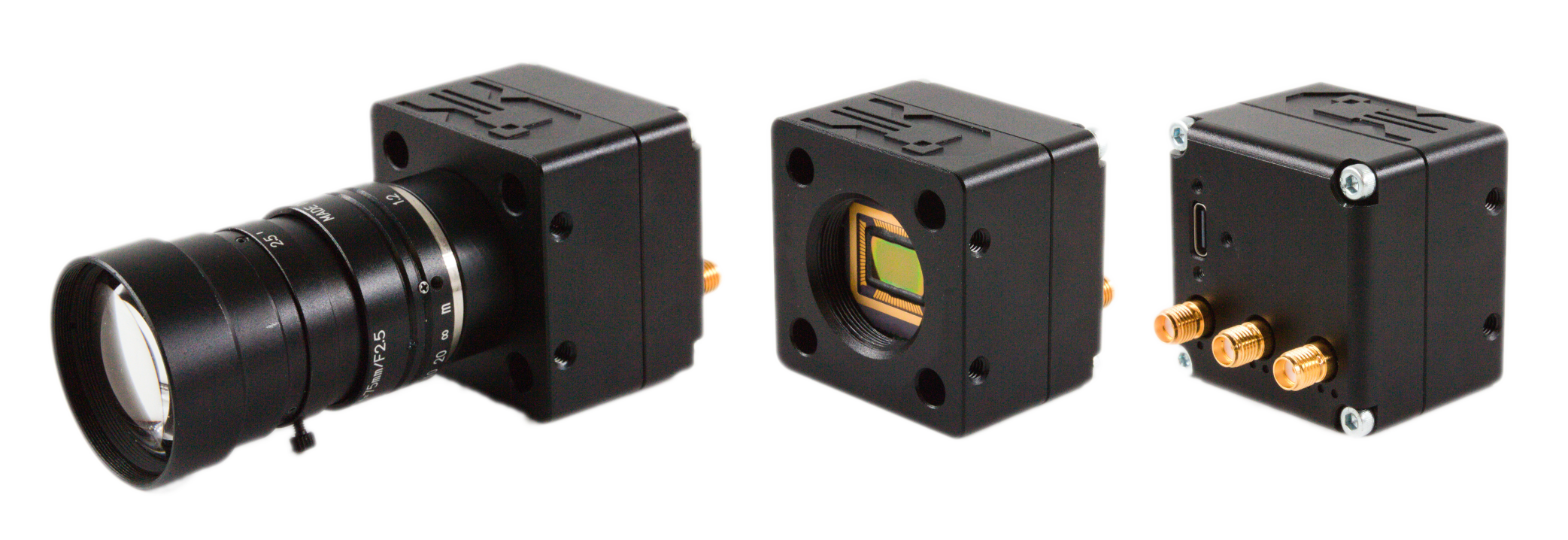
The NVx5VFR-HW variable frame rate camera was developed for applications requiring high sensitivity and/or frame rate but with reduced output bandwidth.
The camera combines the benefits of a SPAD camera, namely the single-photon resolution and fast operating speeds, with those of an event camera – low output data rates.
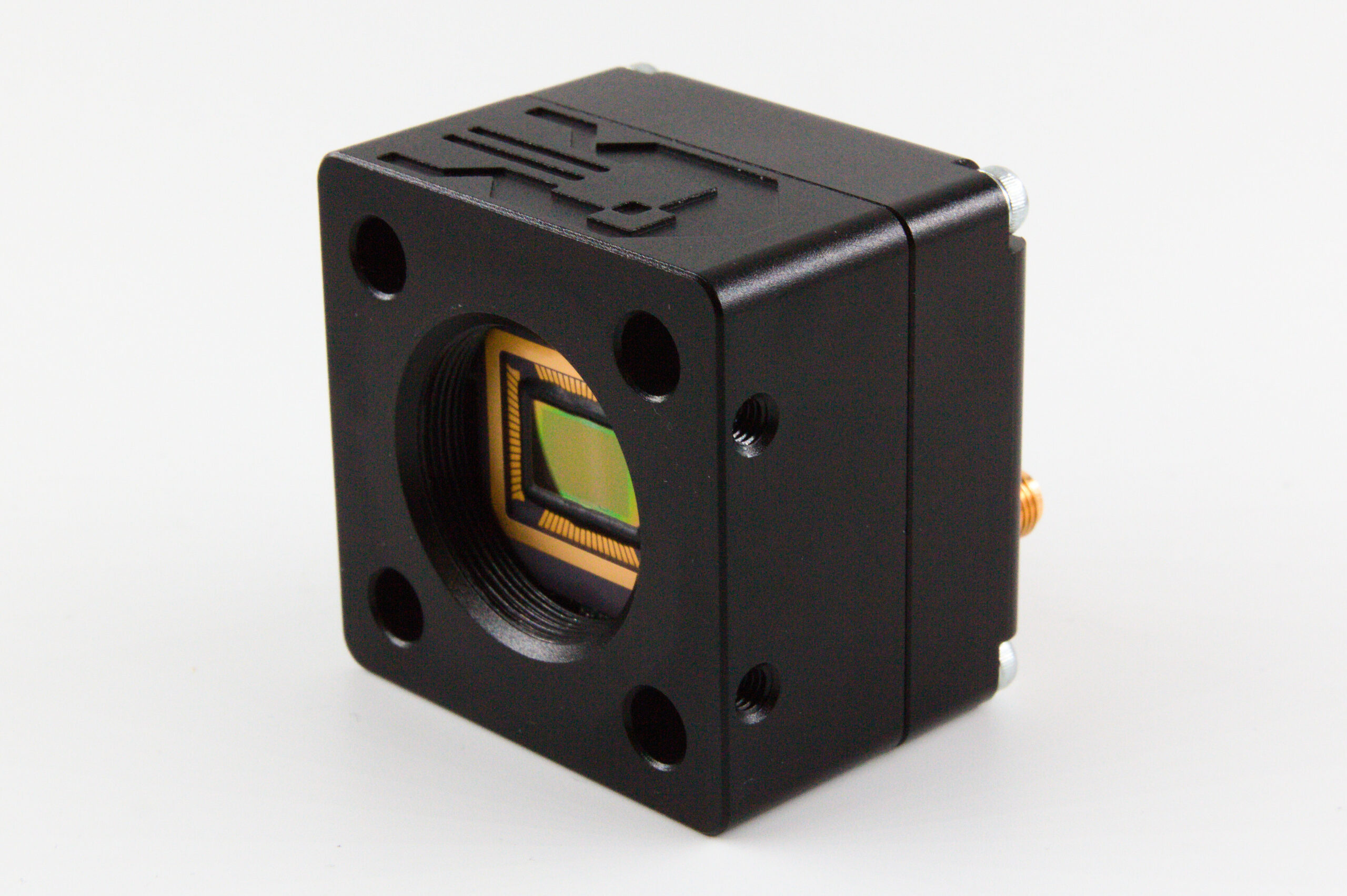
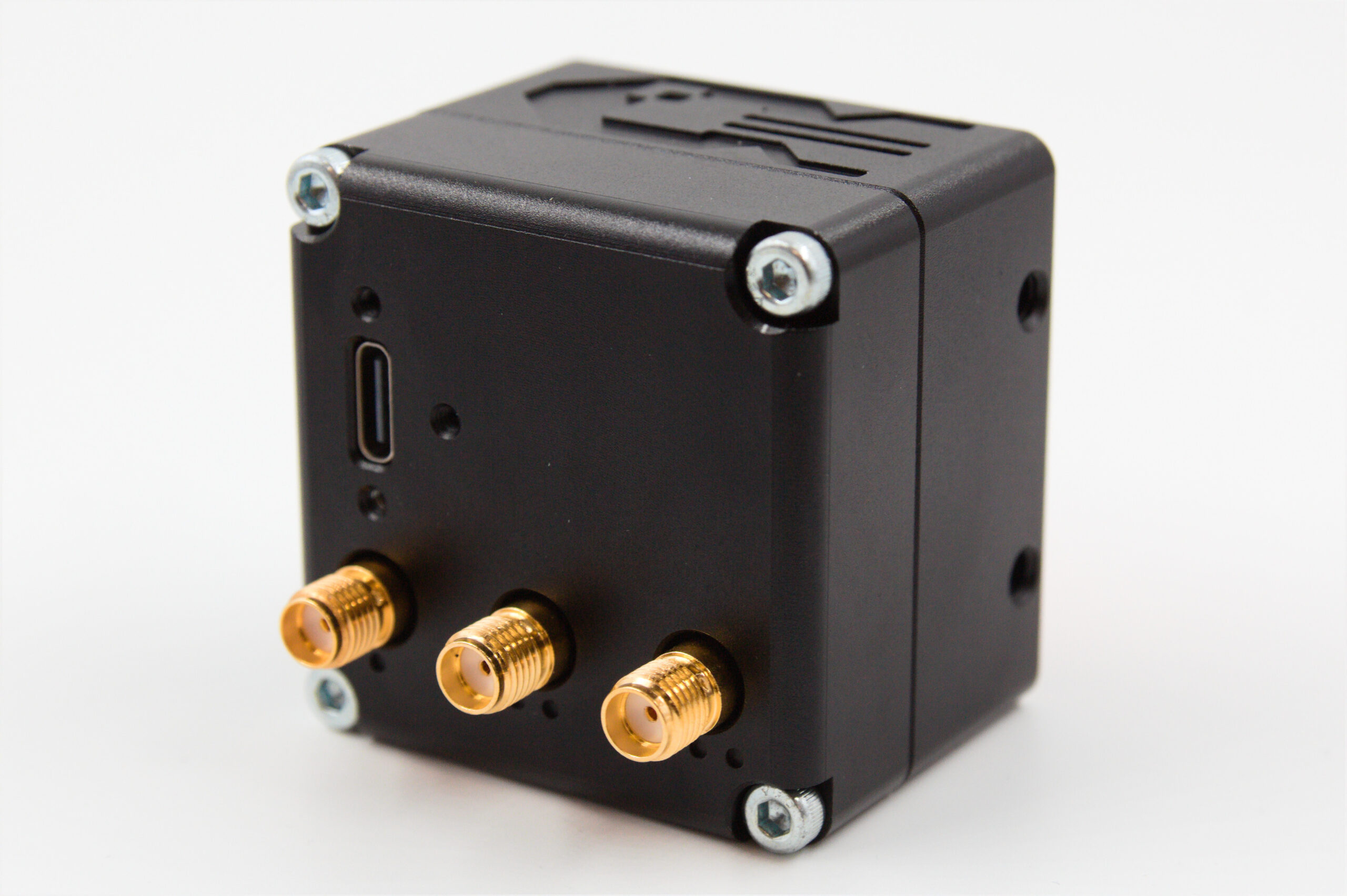
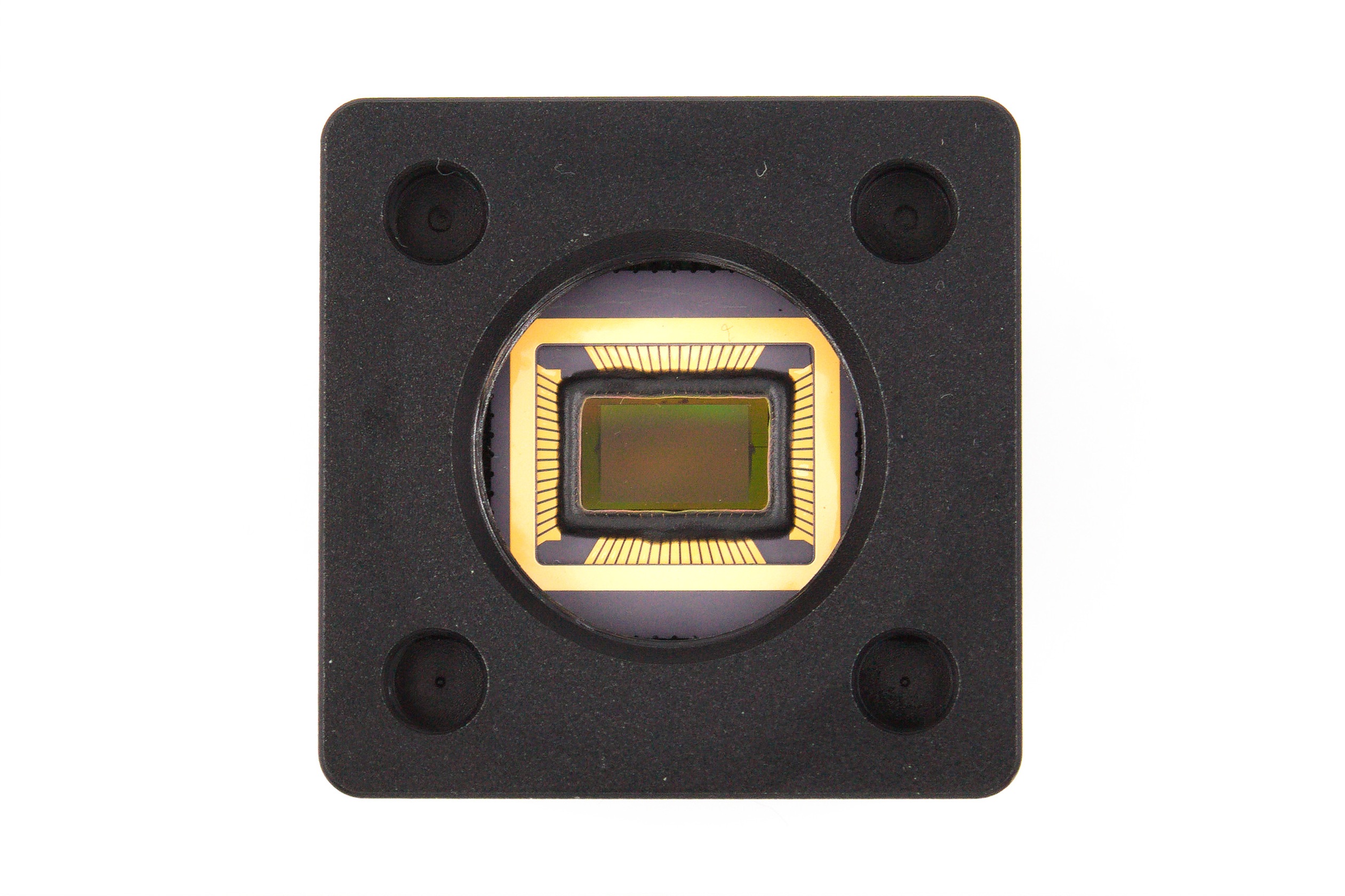
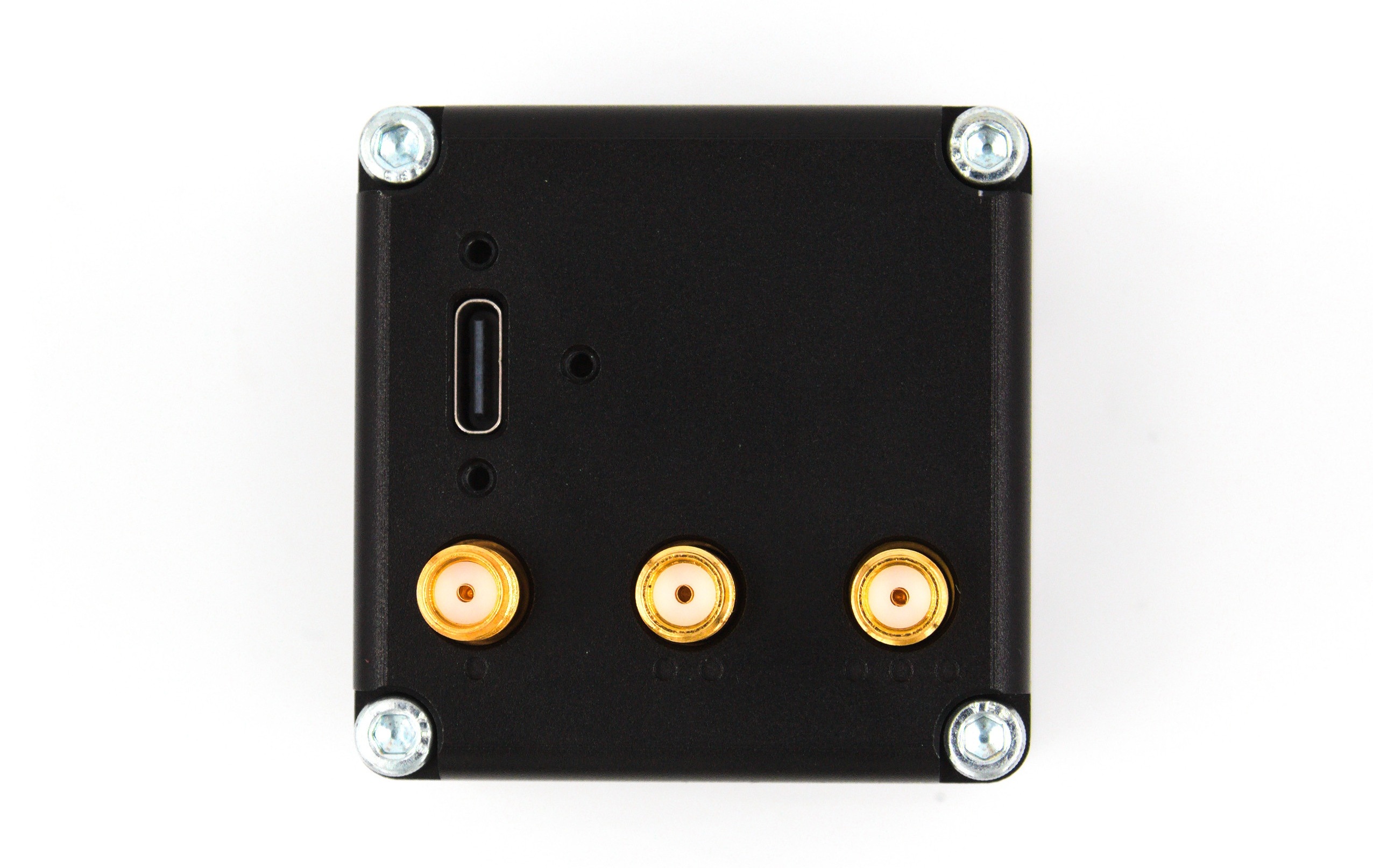
Our innovative sensor architecture streams photon events detected during an exposure cycle down to nanosecond timestamp resolution with reduced latency over a conventional, low-cost USB interface.
The camera only sends out the pixels which have registered a photon event during the exposure period and can immediately proceed to the
next acquisition cycle when all the events are accounted for.
The threshold for generating an event can be adjusted from 1 to 15 photons, depending on the pixel binning scheme.
The camera is well suited for quantum imaging. machine vision, low light imaging, and visual odometry, among others.
Applications
Event camera emulation
The split-screen video above derives two imaging modalities from a single SPAD sensor’s raw photon-detection data. On the right, an intensity image is formed by summing raw binary frames. On the left, an event camera emulation is generated using the method described in “Generalized Event Cameras,” CVPR 2024, which preserves scene intensity while retaining the low-bandwidth, high-speed characteristics of event-based vision. Both outputs are computed from the same underlying photon stream, differing only in post-capture processing. This yields a key advantage: because there is a single sensor and a single acquisition, the two modalities are inherently synchronized in time and space, without genlocking, cross-sensor calibration, or timestamp drift. The SPAD sensor thus functions as a flexible substrate that can be reprocessed into multiple imaging modalities entirely in software.
HDR imaging
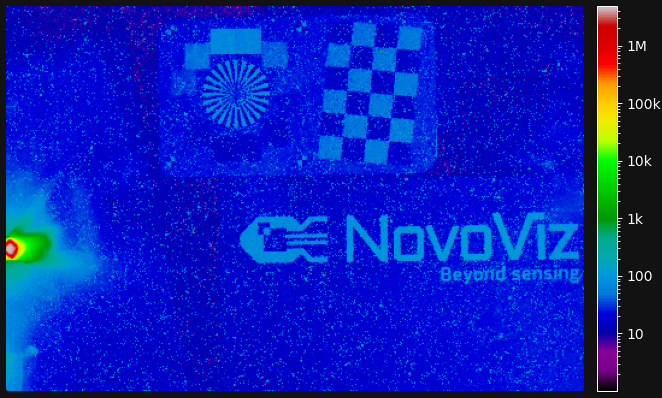
SPAD cameras are reshaping how we capture extreme dynamic range. Unlike conventional sensors that integrate charge and risk saturating in bright areas while losing detail in shadows, SPADs detect individual photons as discrete, timestamped events. This photon-counting approach lets each pixel build its own exposure curve, avoiding the clipping and noise floor issues that limit standard CMOS or CCD imaging.
The image above, captured with a 5-second total exposure built from binary frames of 200ns exposure each, showcases a dynamic range of roughly 120dB. Spanning six orders of magnitude between the darkest and brightest recoverable details in a single frame, the performance is far beyond typical HDR bracketing techniques.
Instantaneous adaptation to lighting variation
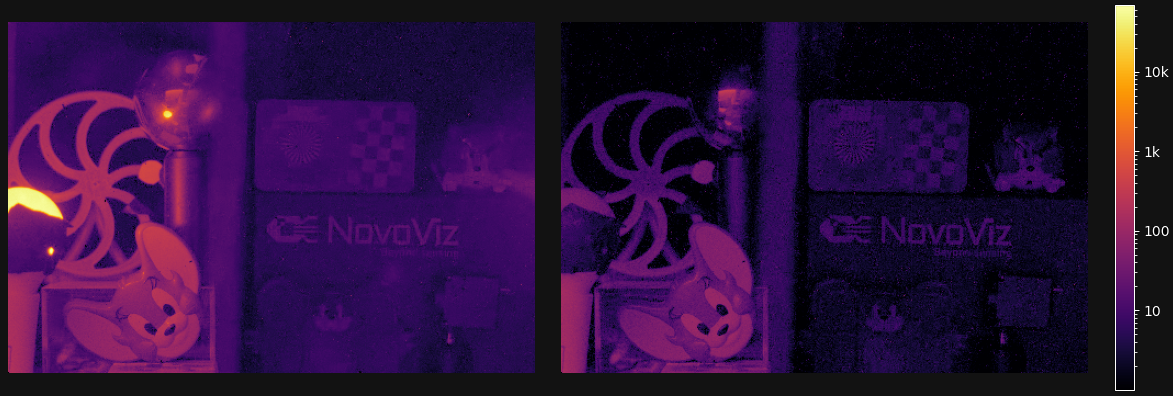
SPAD cameras excel at adapting instantly when illumination changes between frames. The two images above show the same scene, split into a bright left side and a darker right side, captured under two very different lighting conditions.
In the left image, a lightbulb illuminates the left side of the scene at 10,000 lux while the right side sits at 100 lux. In the right image, the bulb is off, and the whole scene drops to just 0.8 lux, four orders of magnitude darker.
Both images share a total exposure of just 2ms, built from a burst of binary frames captured at 100ns each. Rather than integrating charge like a conventional sensor, the SPAD array detects individual photon arrivals frame by frame, summing thousands of ultra-short binary exposures into a single image. This photon-counting approach lets the sensor adapt instantly to drastic lighting shifts, with no exposure recalibration, no motion blur, and no saturation, capturing both the bright and near-dark scenes with equal clarity in the same brief 2ms window.
Need something custom? We’ve got you.
Our expert design services adapt our tech to fit your exact needs.
Want to know more? Drop us a message and a member of the team will be in touch soon.